.jpeg)
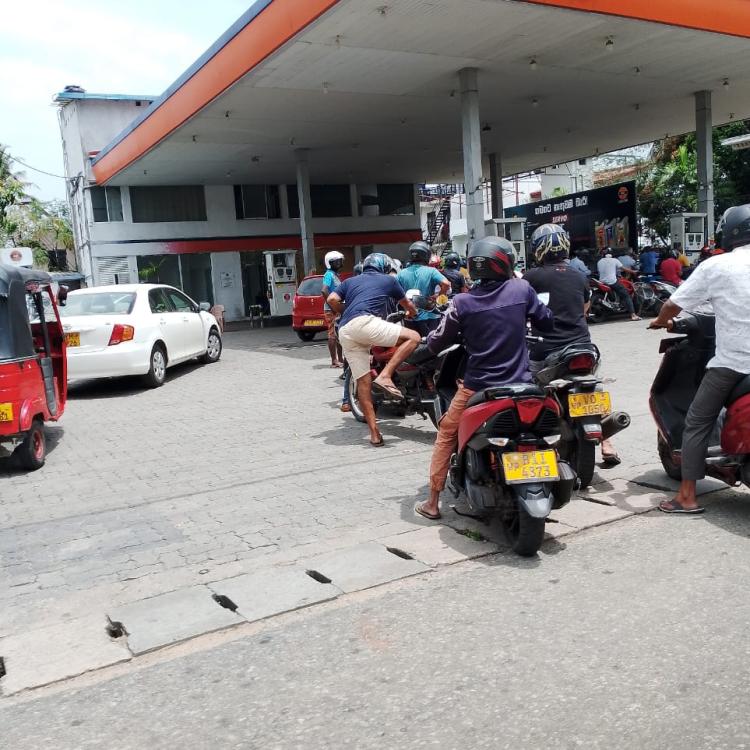
File photograph.
Sri Lanka has announced a four-day working week for state institutions as authorities move to conserve fuel amid fears of prolonged disruption to global energy supplies caused by the war in the Middle East.
The decision follows escalating tensions in the region, where the Strait of Hormuz, a critical global oil transit route through which around 20 percent of global exports pass in peacetime, has been effectively closed by Iran in response to the ongoing war involving the United States and Israel.
Commissioner-General of Essential Services Prabath Chandrakeerthi said that state institutions will operate only four days a week starting Wednesday. The measure will also apply to schools and universities and will remain in place indefinitely.
"We are also asking the private sector to follow suit and declare every Wednesday a holiday from now on," Chandrakeerthi told reporters after an emergency meeting chaired by Sri Lankan president Anura Kumara Dissanayake.
At the meeting, Dissanayake warned of the need to prepare for further disruption. "We must prepare for the worst, but hope for the best," he told senior officials.
Authorities claimed that essential services including hospitals, ports and emergency services will continue to operate as normal. The government has also suspended all public ceremonies and instructed civil servants to work from home where possible in order to reduce fuel consumption.
Sri Lanka, which imports all of its fuel requirements, remains highly vulnerable to global energy shocks. Officials said current petrol and diesel reserves are expected to last nearly six weeks, but warned that any disruption could severely affect the country.
Fuel rationing has already been reintroduced, with motorists limited to 15 litres of petrol or diesel per week, while public transport has been allocated up to 200 litres. The government has also reinstated the National Fuel Pass system, first introduced during the 2022 economic crisis.
Sri Lanka sources refined petroleum products from countries including Singapore, Malaysia and South Korea, while crude oil for its refinery is imported from the Middle East. The disruption of shipping routes and rising oil prices, which have surged to around $100 per barrel, have heightened concerns over supply stability.
The latest measures come as Sri Lanka continues its fragile recovery from the 2022 economic collapse, when the country defaulted on its $46 billion foreign debt after running out of foreign exchange reserves. The crisis led to widespread shortages of fuel and essential goods, forcing the government to seek a $2.9 billion bailout from the International Monetary Fund.
Officials warned that a prolonged conflict in the Middle East could once again place severe strain on the country’s economy, undermining recovery efforts and triggering renewed hardship for the population.