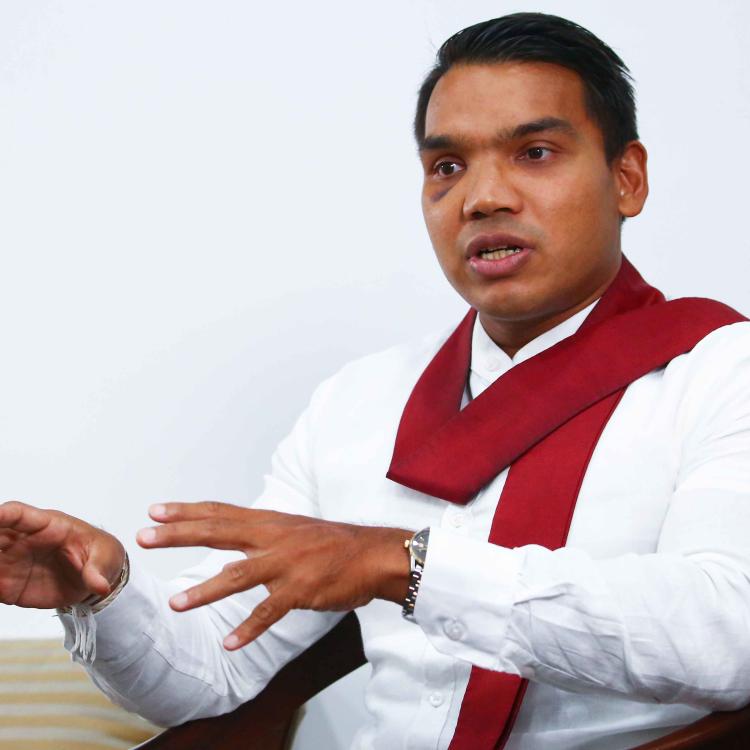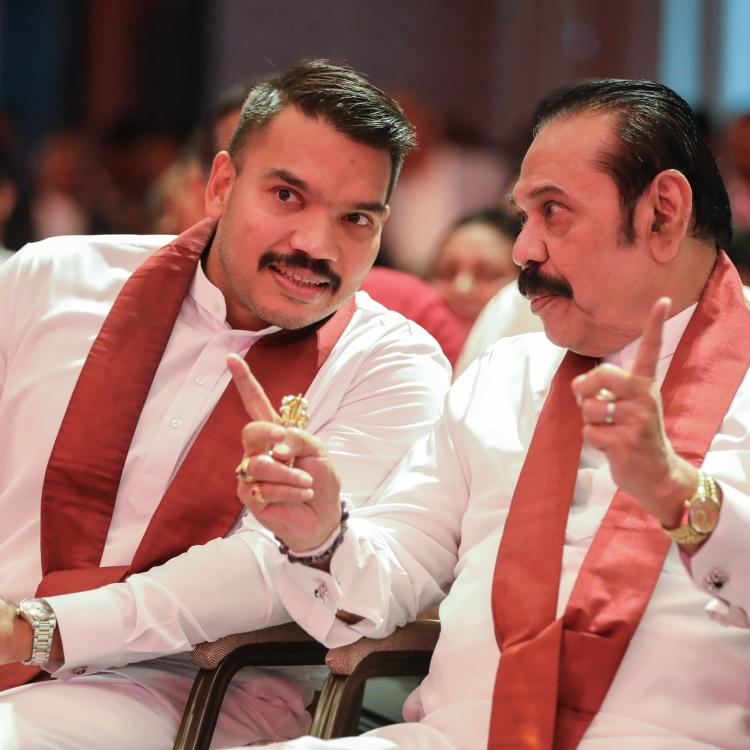
The Oxford Union is no stranger to controversy. Over the decades, the prestigious student debating society has hosted a range of deeply divisive figures, from far-right agitators such as Tommy Robinson and Nick Griffin, to Holocaust deniers such as David Irving. It has justified these invitations under the banner of free speech and intellectual challenge, insisting that debate must remain open, however uncomfortable the speaker may be. The decision to invite Namal Rajapaksa to address the Union next week, however, is particularly disappointing – platforming a defender of mass atrocities and putting the welfare of its own students at risk.
The Rajapaksas need no introduction. Namal’s father Mahinda Rajapaksa and uncle Gotabaya presided over the worst mass atrocities that the island has ever seen, directing the shelling of hospitals, the bombing of so-called No Fire Zones and the mass slaughter of tens of thousands of Tamils. Both men have since faced international sanctions. Namal, the political heir of the clan, has unsurprisingly not distanced himself from their crimes. On the contrary, he has repeatedly defended them.
Just last week, he declared, “we stand for Sinhala Buddhism”, in a deliberate reaffirmation of the chauvinist ideology that underpins the Rajapaksas. His Sri Lanka Podujana Peramuna (SLPP) party continues to champion Sinhala majoritarianism while opposing meaningful accountability and resisting international scrutiny of any atrocities. For Tamils who survived genocide, including students at Oxford University, this is an ongoing abomination.
Alongside the mass atrocities, the Rajapaksas are alleged to have overseen corruption on a staggering scale. Sri Lankan officials themselves have acknowledged that more than US$10 billion may have been siphoned out of the country during their rule, with the family amassing huge personal wealth as many on the island suffered. It was public anger over that corruption that fuelled the 2022 protests forcing Gotabaya Rajapaksa from office, and even briefly out of the country. Namal himself has faced allegations of bribery and financial misconduct, charges that led to him being arrested and dragged away in handcuffs in 2016. To this day, he remains out on bail and is due to appear in court this April.
This alone should be enough for the Oxford Union to reconsider their choice of speaker. For hundreds of years, it has stood as an institution that confers prestige. An invitation to speak signals credibility and intellectual standing. But Namal Rajapaksa is neither an established global leader nor an independent political thinker. His prominence derives almost entirely from dynastic power. Allegations surrounding his academic qualifications, including claims that he was permitted to sit examinations privately, have only reinforced how his career has been shaped by privilege, not merit. This is not an inspiring or talented speaker that possesses the calibre Oxford usually demands.
The most urgent consideration is the impact this event may have on Oxford University’s own students. The Tamil society has already written to the Union, alongside several other university societies, expressing their fears over hosting a Rajapaksa. Given Sri Lanka's well-documented pattern of intimidation and violence that extends far beyond the island’s borders, these are well founded. Indeed, Colombo’s history of targeting dissidents fundamentally undermines the notion that such a platform enables robust and meaningful debate. For years, Sri Lankan state actors have targeted journalists and activists, including in the diaspora, who have spoken out about state violence. Surveillance, intimidation and smear campaigns against Tamil voices abroad have been widely reported, including in fora such as the United Nations Human Rights Council in Geneva. Some still face the risk of arrest if they dare to travel back. How realistic is it then that Tamil students or survivors can openly challenge a senior Rajapaksa figure in Oxford without fear of repercussions?
The Oxford Union has argued in the past that it exists to challenge ideas and to confront controversial viewpoints. That principle is important and free speech is vital. Debate should not be stifled simply because it is an uncomfortable topic. Indeed, issues such as Sri Lanka’s genocide of Tamils must be confronted openly and critically. But free speech must also be exercised responsibly. It does not require institutions to provide platforms to individuals who defend or benefit from corruption and crimes against humanity. Namal’s appearance cannot serve as a stage to propagate his extremist politics, whitewash his family’s crimes and add a veneer of credibility to a man that has none. There is a difference between scrutinising power and sanitising it.
Oxford has faced this moment before. In 2010, just a year after the massacres at Mullivaikkal, the Union invited Mahinda Rajapaksa to speak. The scale of public outrage and the threat of widespread protest led to police intervention and the event was cancelled. That episode should have served as a lesson.
The Union now stands at a similar crossroads. Granting Namal Rajapaksa a platform now would not advance meaningful dialogue. It would risk rehabilitating a political dynasty synonymous with genocide and corruption. It would send a message to Tamils, in Oxford and around the world, that their suffering is secondary to spectacle.
With outrage mounting across Britain and protests already being organised, the Union still has time to reconsider. It must not become a vehicle for laundering the Rajapaksa name. Namal Rajapaksa’s invitation must be cancelled.
____
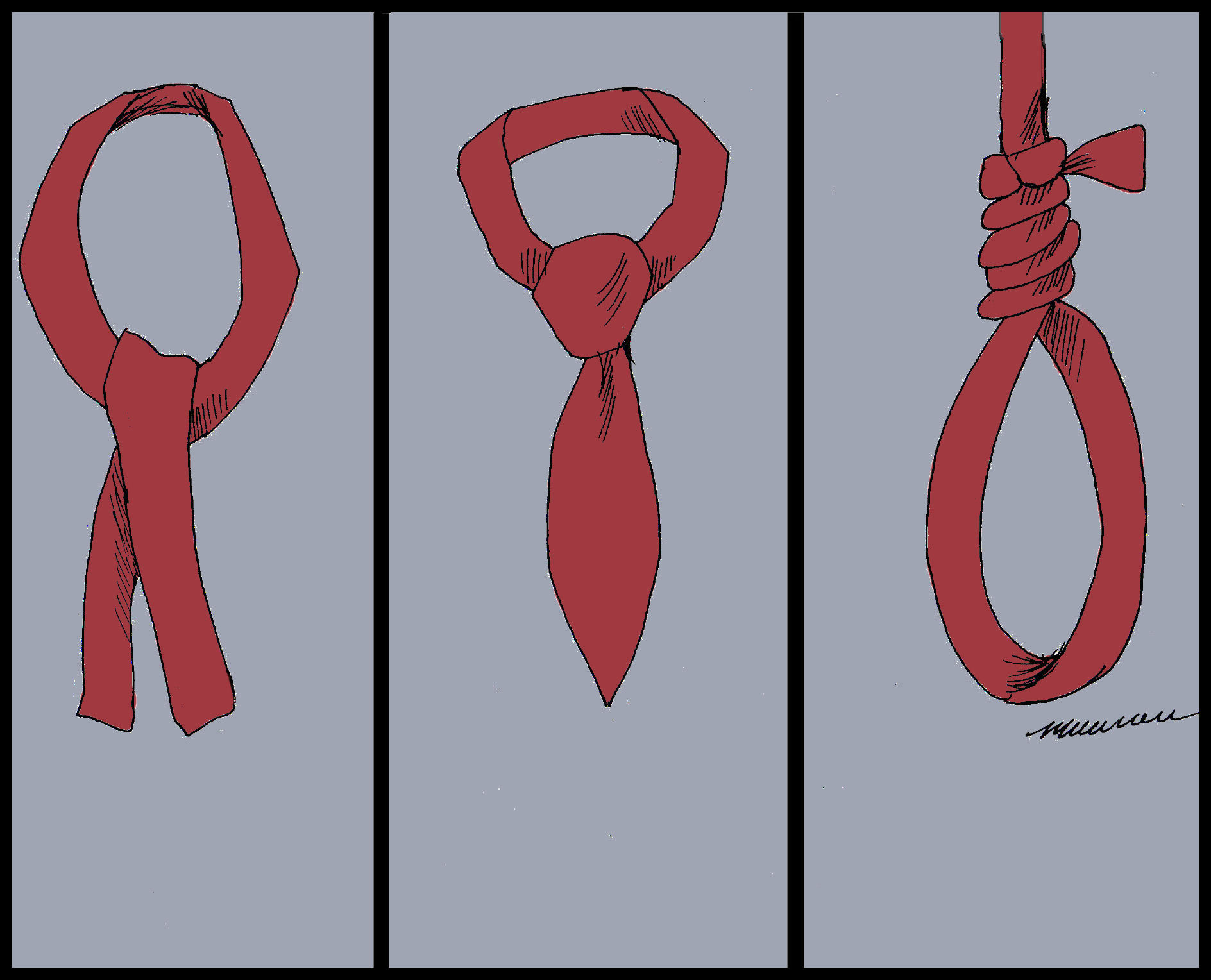
Illustration by Munaa