.jpg)
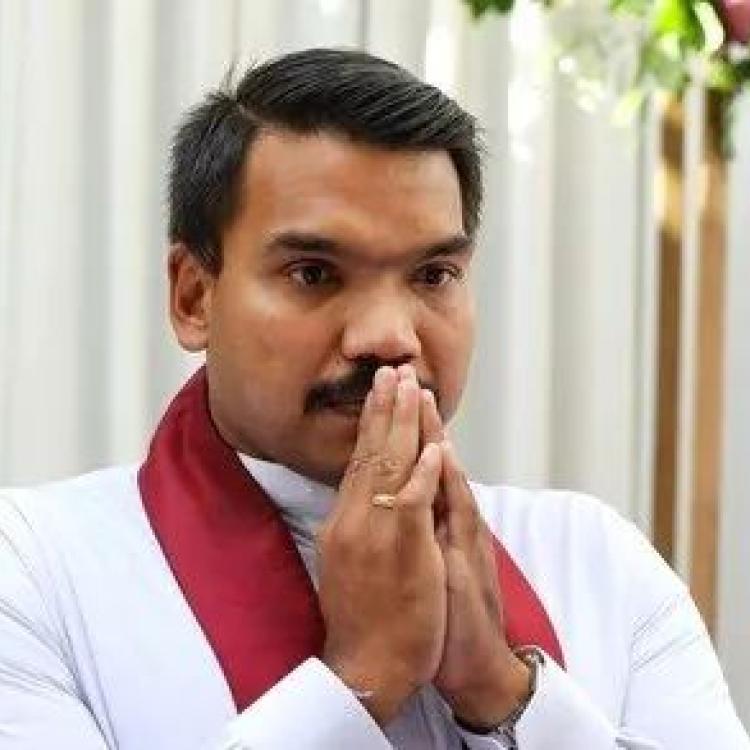
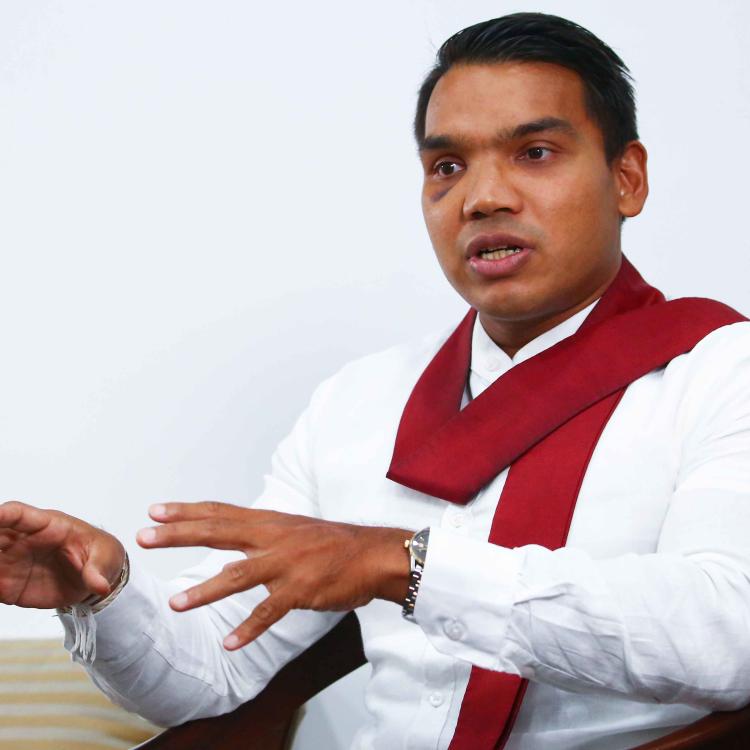
Sri Lanka Podujana Peramuna (SLPP) politician Namal Rajapaksa has held a series of smaller meetings across the United Kingdom with sections of the Sinhala diaspora, after both the Oxford Union and Cambridge Union cancelled planned speaking engagements with him this week.
The most recent cancellation was that of the Oxford Union, which followed sustained lobbying from student groups and organisations across the country.
Activists said they were informed on Saturday afternoon that the event would be cancelled following widespread opposition.
However, Rajapaksa’s media team appeared to have been taken by surprise. Even after news of the cancellation was reported by the Tamil Guardian on Sunday night, several Sri Lankan media outlets continued to state that he would be speaking at the Oxford Union as scheduled on Monday – some publishing his apparently confirmed appearance just hours before he was due to make his address.
One member of Rajapaksa’s official media team also told the Tamil Guardian in the early hours of Monday morning that they were still unaware of the decision to cancel.
Several hours later, Rajapaksa acknowledged the cancellation in a post on social media, attributing it to “organised pressure”.
In the absence of the Oxford and Cambridge platforms, Rajapaksa proceeded with a series of smaller engagements.
.jpg)
In an apparent attempt to make up for the cancellation, an impromptu meeting was set up at The Star Tavern, in Belgravia, London, where some two dozen members of the Sinhala diaspora met with him instead.
Ahead of the schedule Oxbridge talks, Rajapaksa had already arrived in London and met with Sinhala Buddhist clergy in London.
.jpg)
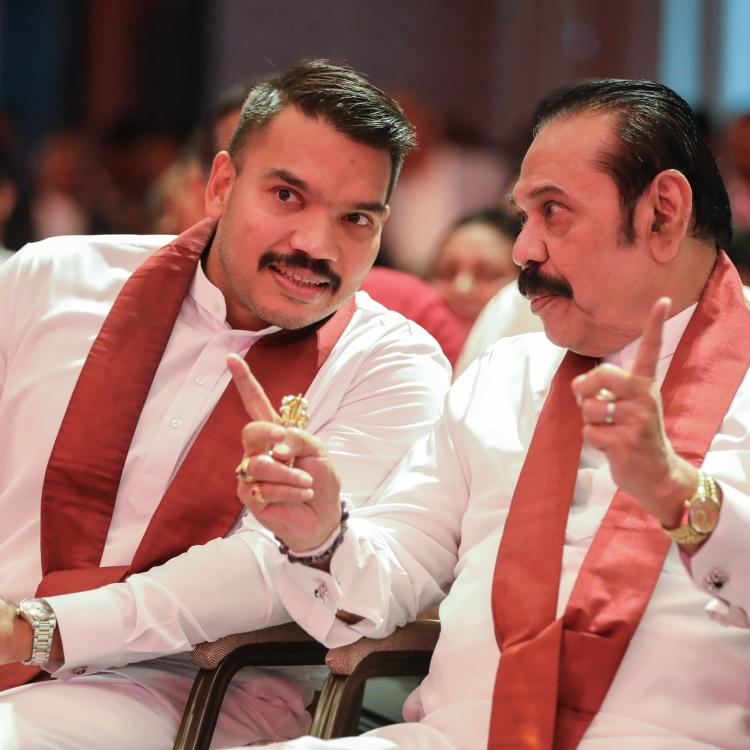
He visited temples in both Kingsbury and Chiswick with videos circulated on social media showing a convoy of Range Rovers arriving at the venues. Donning the same traditional white outfit and red shawl that his father Mahinda regularly wore, photographs show the younger Rajapaksa on his knees as he received blessings from the monks.
.jpg)
Rajapaksa also met with Lord Naseby earlier today, a controversial British politician who had previously been labelled an “apologist for the Sri Lankan government”.
Naseby has a long-standing relationship with the Rajapaksa regime and has been consistently opposed to a credible mechanism to investigate human rights violations in Sri Lanka. He has repeatedly come under criticism for his unabashed support for the Sri Lankan state, after it emerged he reportedly visited Sri Lanka 14 times between 2002 and 2017. A one-day visit to the island in 2012, cost more than Rs. 1 billion and involved the Commander of the Sri Lankan Air Force chartering a helicopter ride for the British Lord.
“He is a true friend of our nation,” tweeted Rajapaksa. “Grateful for his enduring interest in Sri Lanka’s progress.”
.jpg)
The cancellation provoked some outrage from familiar Rajapaksa supporters, including Ali Sabry, a former justice minister under the administration of Gotabaya Rajapaksa, described it as “regrettable” that the invitation had been “withdrawn in the face of organised pressure”.
The episode echoes a previous controversy involving the Rajapaksa family. In 2010, Mahinda Rajapaksa was invited to speak at the Oxford Union just a year after the massacres at Mullivaikkal. That invitation was also withdrawn following mounting protests.
“This is not about free speech,” said Ravi, a British Tamil who was involved in organising the opposition to Rajapaksa’s appearances and spoke on the condition of anonymity to protect Tamils on the island. “This is about granting a platform at some of the most prestigious universities in the world to a defender of genocide and corruption, who has personally been arrested for money laundering.”
“In Sri Lanka, the Rajapaksas face no hard questioning or accountability for their crimes. In the media and in parliament, Sri Lankan institutions fail to hold them to account.
“The only place they should be speaking is on trial at The Hague, not at Oxford or Cambridge.”