
A new draft resolution on Sri Lanka at the UN Human Rights Council has faced criticism for dropping explicit calls for foreign judges and instead endorses a domestic judicial mechanism backed by Colombo, despite repeated rejections by the Sri Lankan government of any international involvement in accountability.
The draft, circulated in Geneva this week, “acknowledges with appreciation the Government’s commitment to establish an independent public prosecutorial body” and “encourages the Government to consider the creation of a judicial mechanism with an independent special counsel in relation to the cases of human rights violations and violations of international humanitarian law committed in previous decades.”
It further “calls upon the Government of Sri Lanka to ensure the prompt, thorough and impartial investigation and, if warranted, prosecution of all alleged crimes… including for long-standing emblematic cases, with the full participation of victims and their representatives.”
The language marks a significant retreat from Resolution 30/1, passed in 2015, which affirmed “the importance of participation in a Sri Lankan judicial mechanism… of Commonwealth and other foreign judges, defence lawyers and authorized prosecutors and investigators.”
In contrast, the current draft makes no explicit mention of international participation, instead urging Colombo only to “seek international assistance to strengthen capacities” and to ensure “the full participation of victims, survivors and their representatives as well as victim and witness protection.”
The text also “urges the Government to proactively seek international support to ensure sufficient financial, human and technical resources to conduct exhumations in line with international standards,” acknowledging the identification of multiple mass grave sites across the island, including in Chemmani where more than 240 skeletal remains have been unearthed in recent weeks.
The resolution repeatedly praises Sri Lanka’s supposed engagement with the UN system, including the June visit of High Commissioner Volker Türk. This comes despite Sri Lankan president Anura Kumara Dissanayake’s government flatly rejecting international demands for accountability and vowing not to prosecute those accused of mass atrocities.
Since 2012, a series of Council resolutions have purportedly pressed for accountability in Sri Lanka. Yet more than 16 years after the end of the armed conflict and the massacres of 2009, not a single political or military leader has been held to account. Tamil victims and families of the disappeared continue to demand a fully internationalised accountability mechanism and referral of Sri Lanka to the International Criminal Court (ICC).
While backing Colombo’s domestic initiatives, the draft does extend the mandate of the Office of the High Commissioner, including the Sri Lanka Accountability Project (SLAP), which has built a vast repository of more than 100,000 pieces of evidence intended for future prosecutions.
It further “requests the Office to present an oral update to the Council at its sixty-first and sixty-fourth sessions, a written update at its sixty-third session, and a comprehensive report on progress in reconciliation, accountability and human rights in Sri Lanka at its sixty-sixth session.”
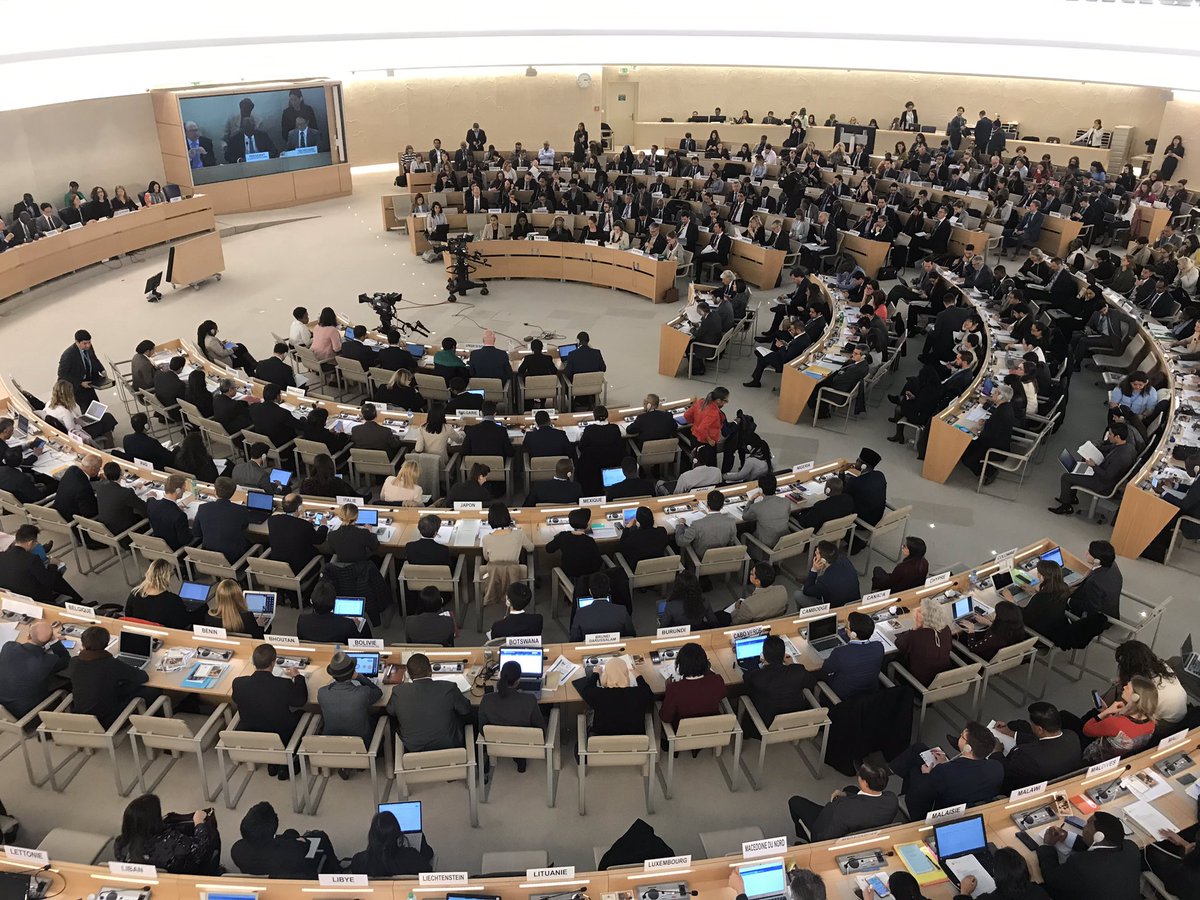
The draft is under discussion at the Council’s 60th session, currently underway in Geneva.
See the full text of the draft resolution here.