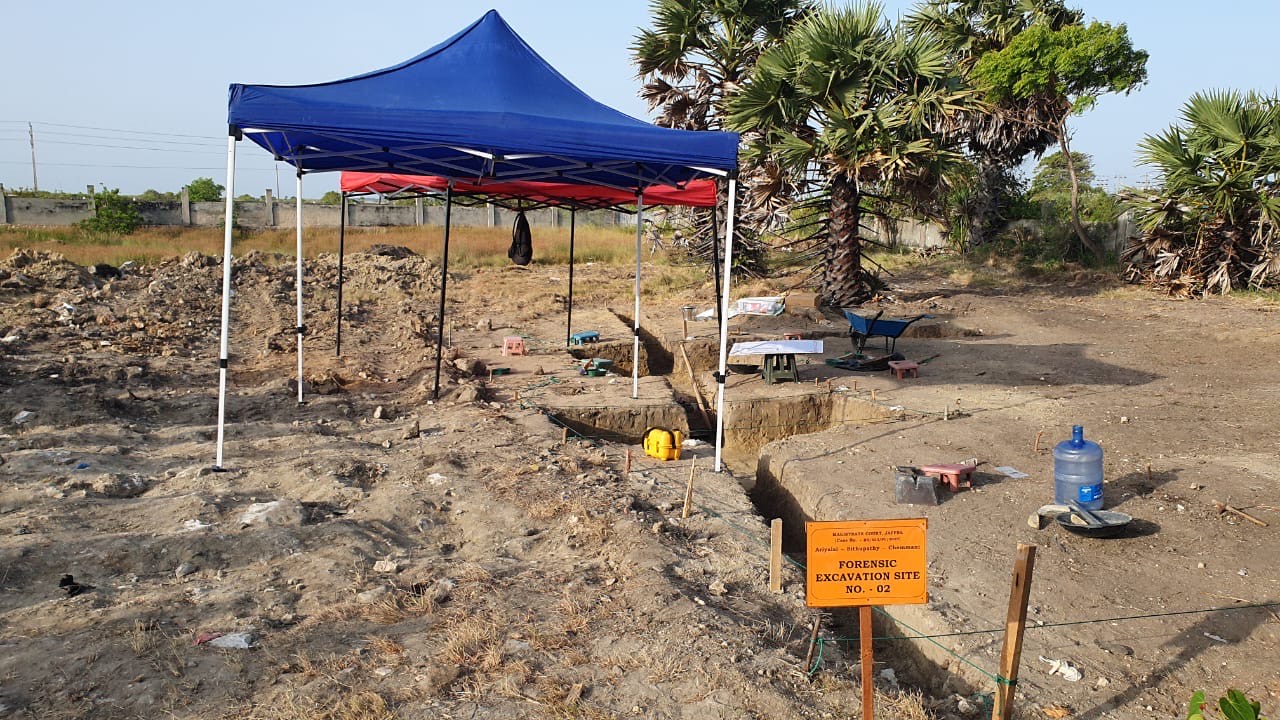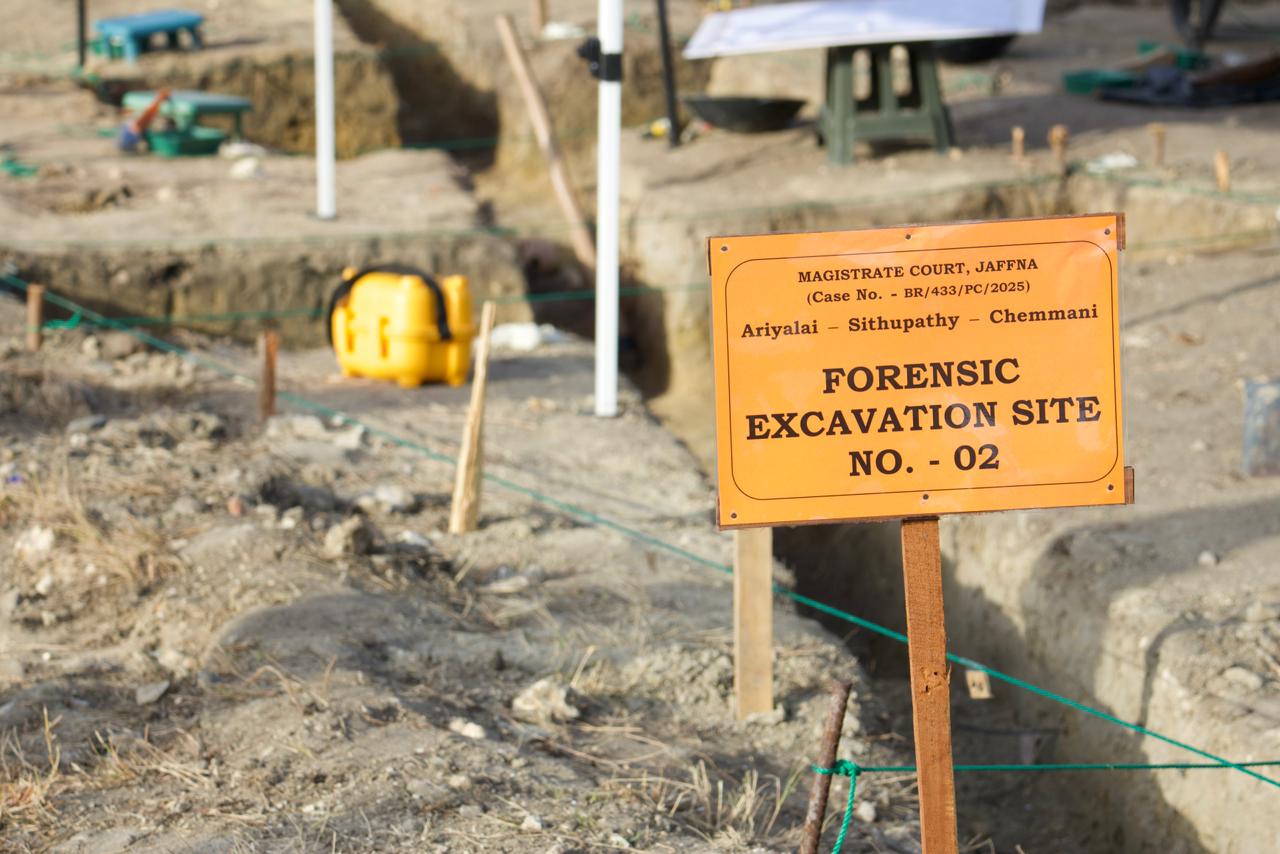
The Jaffna Magistrate’s Court has officially designated a second mass grave site in Chemmani as a new forensic excavation zone, expanding the scope of investigations into one of Sri Lanka’s most harrowing atrocity sites.
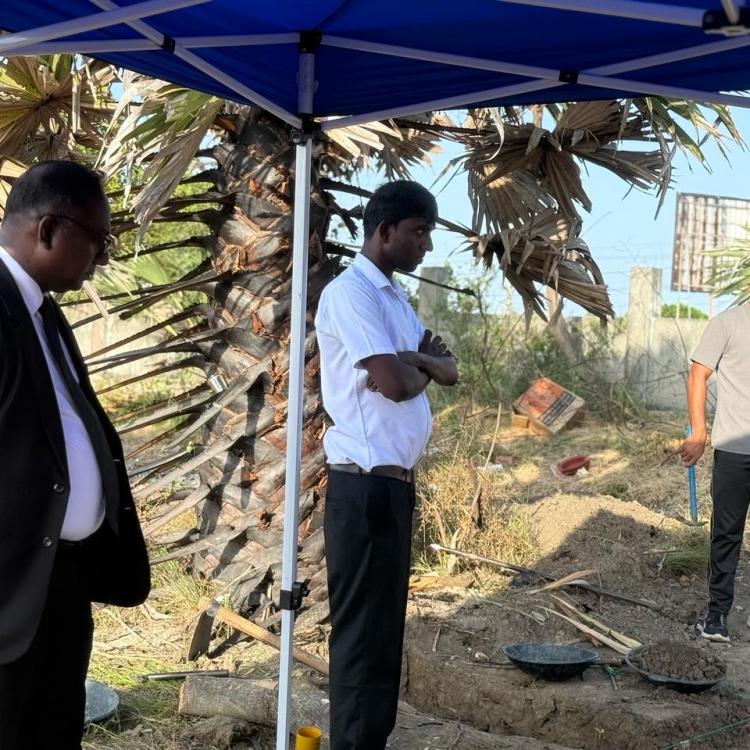
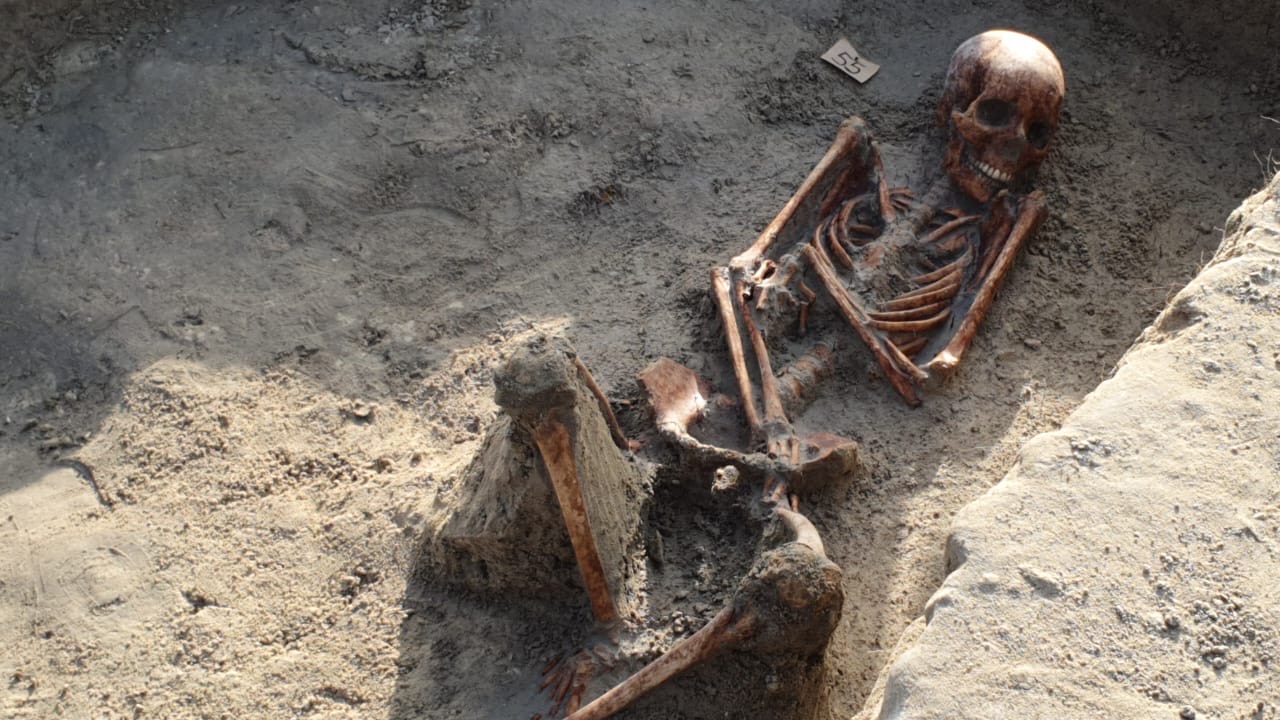
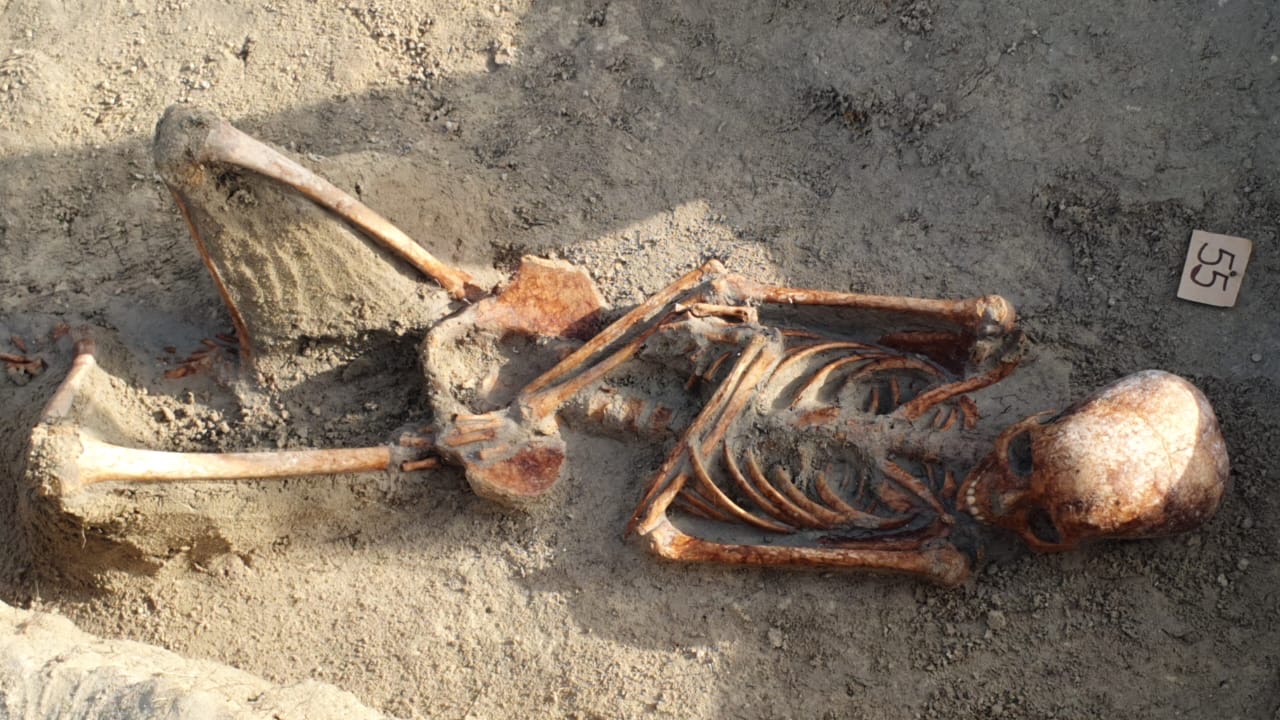
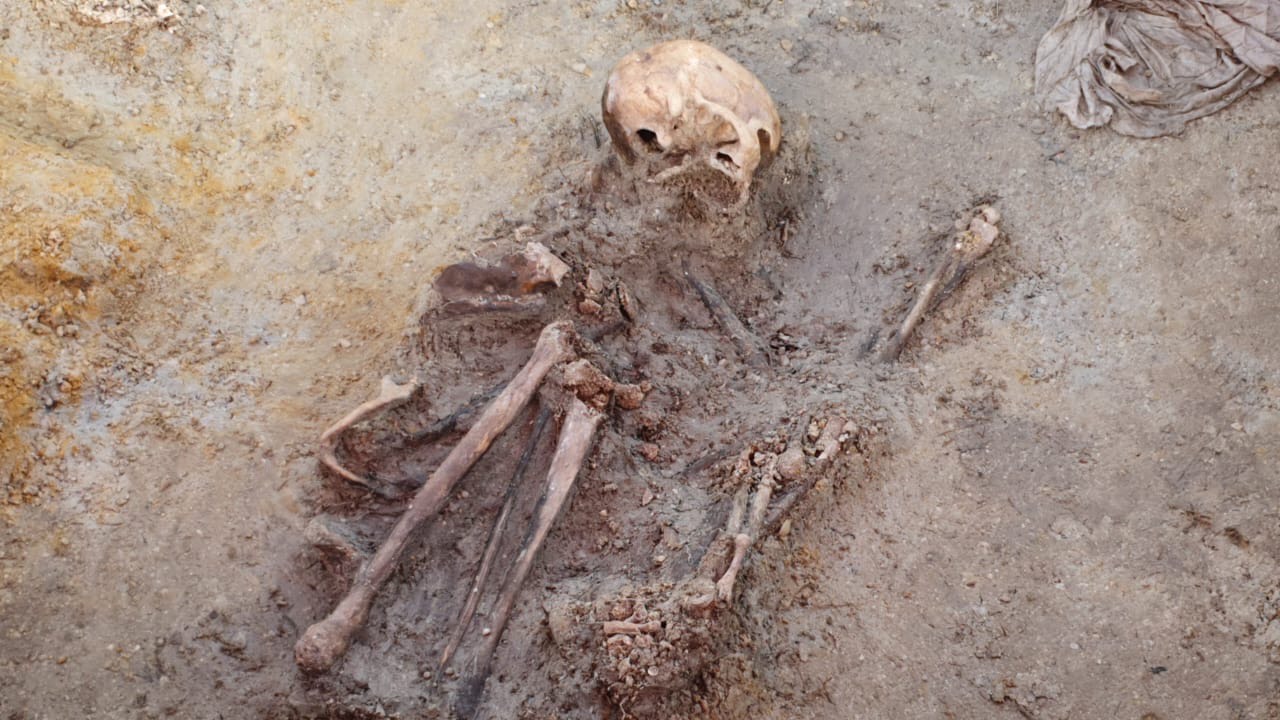
This development comes as excavations at the first Chemmani mass grave site continue. On Tuesday, four additional skeletal clusters were uncovered, while three previously identified clusters were fully exhumed. The total number of skeletal clusters identified at the original site has now reached 56, with 50 of those remains fully exhumed to date.
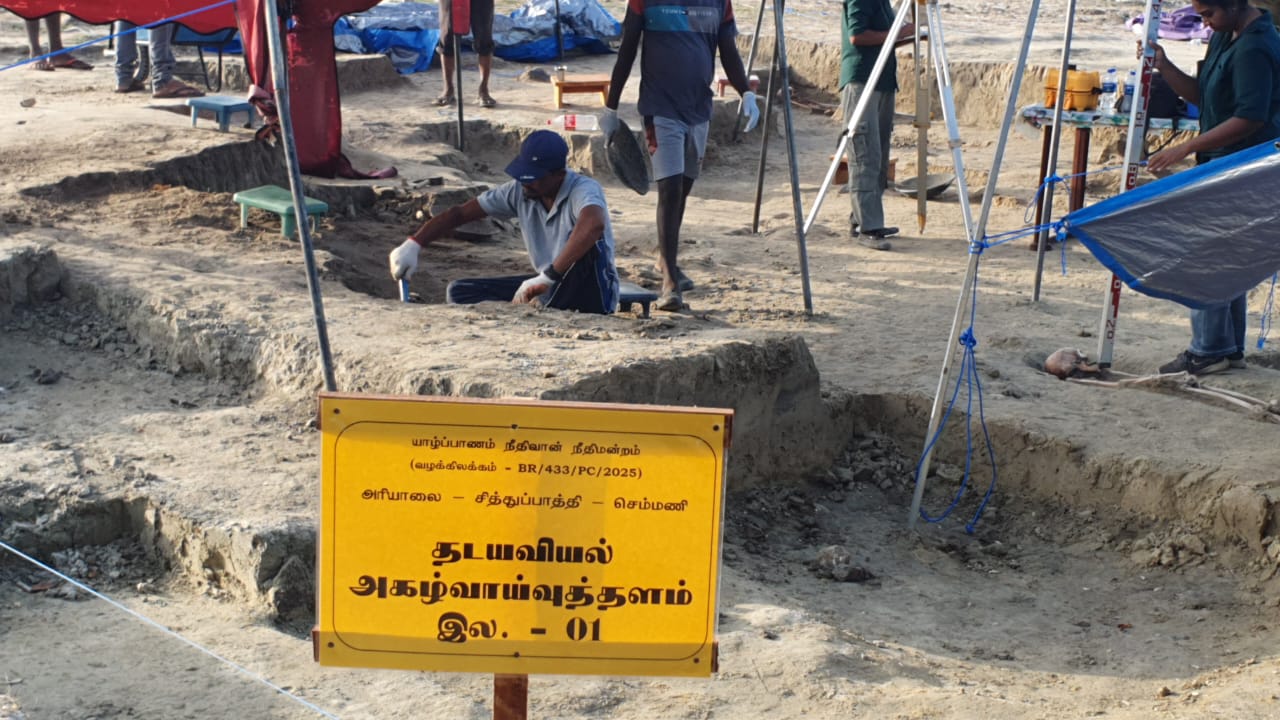
The court’s decision follows suspicions raised through satellite imagery suggesting the presence of additional human remains adjacent to the current excavation site within the Sindhubaththi Hindu Cemetery. With the court’s approval, preliminary excavation work commenced at the new location, now formally marked as “Forensic Excavation Site No. 02.”
Initial findings at the new site have revealed fragmented skeletal remains in a disordered condition. Authorities have stated that further details can only be determined after continued forensic work.
The Chemmani mass graves first came to light in 1998 when Sri Lankan soldier Somaratne Rajapakse testified that hundreds of Tamils had been secretly buried during the military’s occupation of Jaffna. Despite the gravity of the revelations, initial investigations were limited in scope, and no meaningful prosecutions followed.
The recent resumption of excavation efforts at Chemmani has renewed calls from Tamil families and rights organisations for international oversight and independent forensic involvement.