
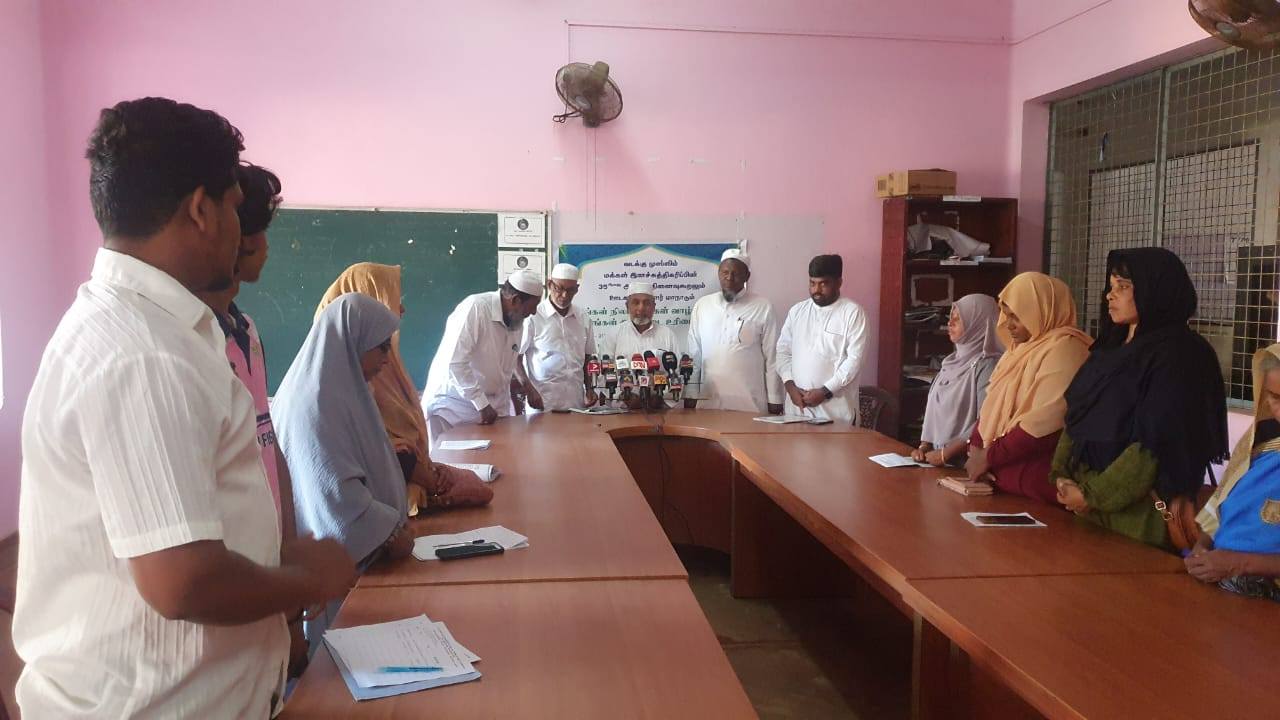
An event was held at Osmania College in Jaffna last month to mark 35 years since Muslims were expelled from the peninsula by the Liberation Tigers of Tamil Eelam (LTTE).
The LTTE remained in control of Jaffna for 5 years after the expulsion, until the Sri Lankan government captured the town in 1995.
Despite Sri Lanka's control of Jaffna for over 30 years, many Muslims remain displaced today. Of the 20,000 Muslim families that were originally displaced from the district, only fractions have managed to return.
In subsequent years the LTTE expressed regret for the events of 1990.
“Jaffna is their (Muslim’s) own land. Unfortunately, difficult circumstances have rendered these Muslim people refugees. We very much regret that this has happened,” LTTE leader Velupillai Prabhakaran told the BBC in an interview in 1994.
Political strategist Anton Balasingam also apologised to the Muslims after talks with the Sri Lanka Muslim Congress (SLMC) leader Rauff Hakeem in 2002.
"I made an apology to the Muslim people that what has happened in the past has to be forgotten, that we are willing to talk to them and resolve their problems," Balasingam said, assuring Muslims that they could return to their homes in the North. He stressed that the Tamil homeland and the Tamil territory in the North-East "belonged to the Muslim people also".
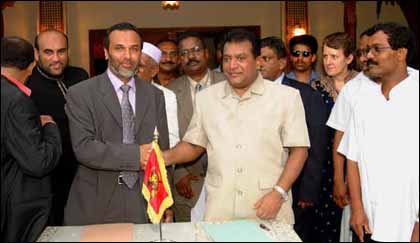
Hakeem said at the time that they are willing to forgive the LTTE.
"Mr Pirapaharan has agreed to invite all displaced Muslims to return to their own places in the northeast," said Hakeem, who continues to lead the SLMC.
"We have told them unequivocally that we are prepared to forgive and not forget (the past)... We have bitter memories of the past. But it is time we contended with the ground realities. That would mean that the LTTE also has to look at Muslims and their separate political identity as something that has become quite pronounced over a period of time," he said in an interview.