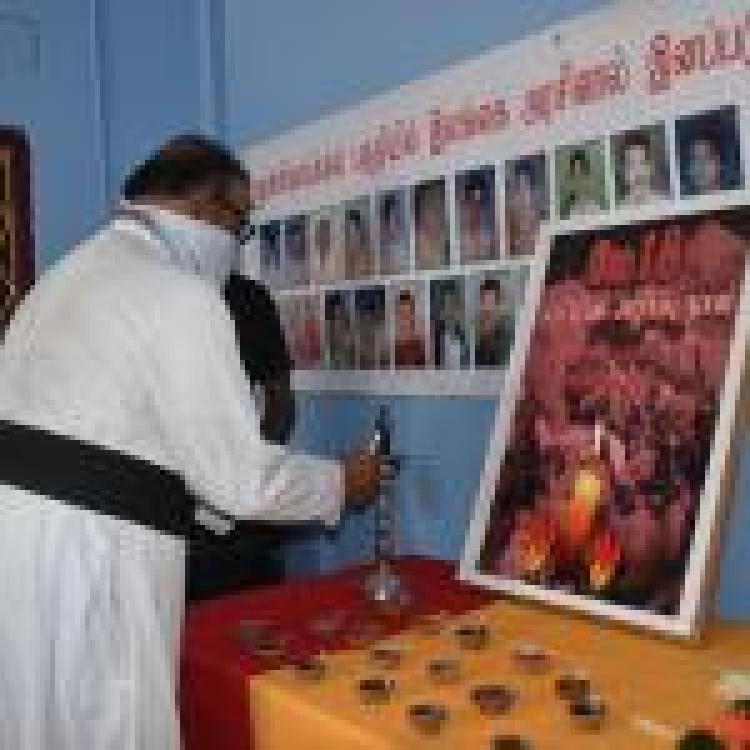
Student organisations in the North-East came together and distributed the essential ingredients that many Tamils solely survived on when they were trapped in the fire zone, 11 years ago.
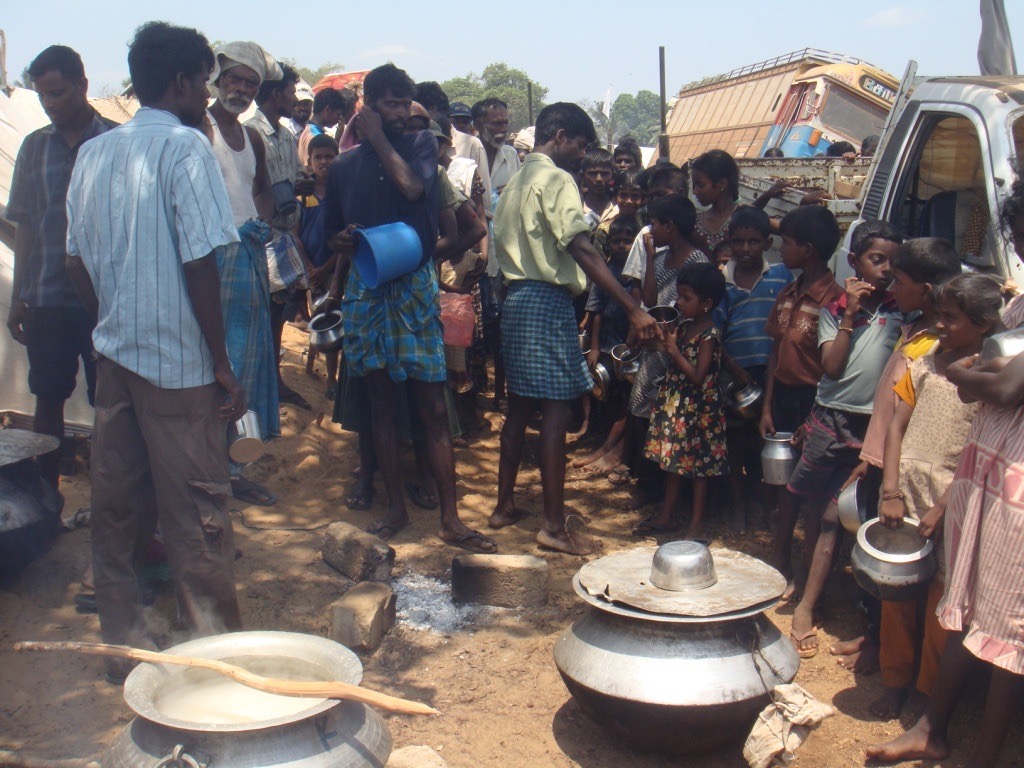
(Tamils handed out 'Kanji' in 2009)
They provided these ingredients as a way to pay tribute and honour the struggles that Tamils faced during the final stages of the war while also using it as an opportunity to educate the future generations.
In 2009, while many around the globe could eat what they please and buy the ingredients they needed to cook whatever they wanted, this was not the case for thousands of Tamil civilians trapped on a thin strip of land in the Mullivaikkal region for many difficult months without the bare necessities.
It has been over a decade since the genocide that left many with permanent internal and external scars.
The government bombed areas with medicine and food supplies this time 11 years ago, leaving thousands in dire situations. For many, memories of the war are intertwined with the endless weeks of lining up to survive on 'kanji' alone.
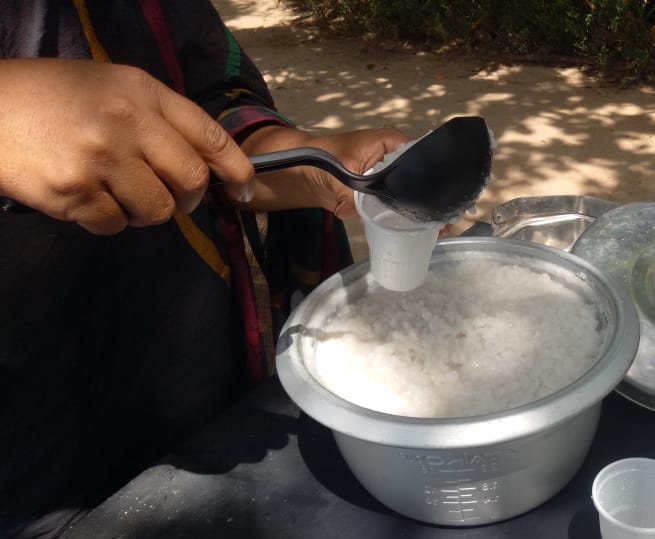
For many, 'uppu kanji' or salt porridge - traditionally consisting of salt, water and rice - was the sole reason for their survival.
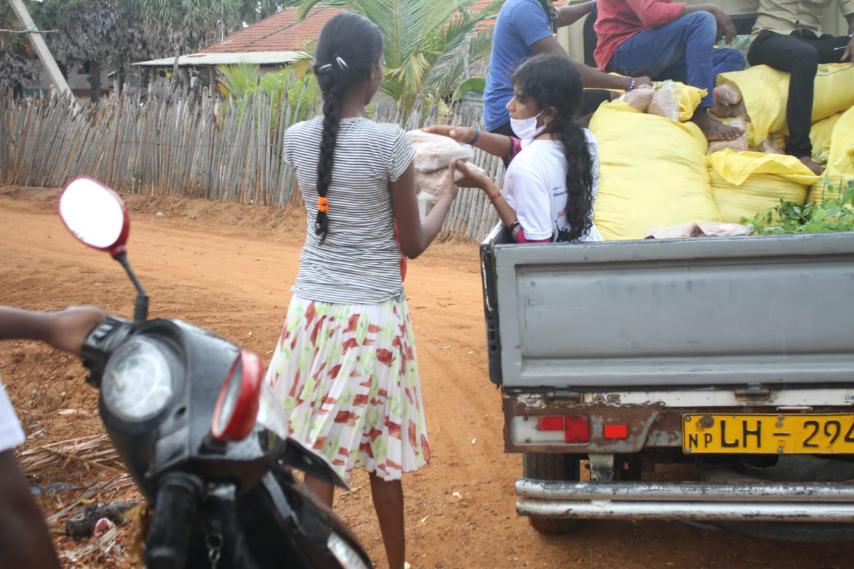
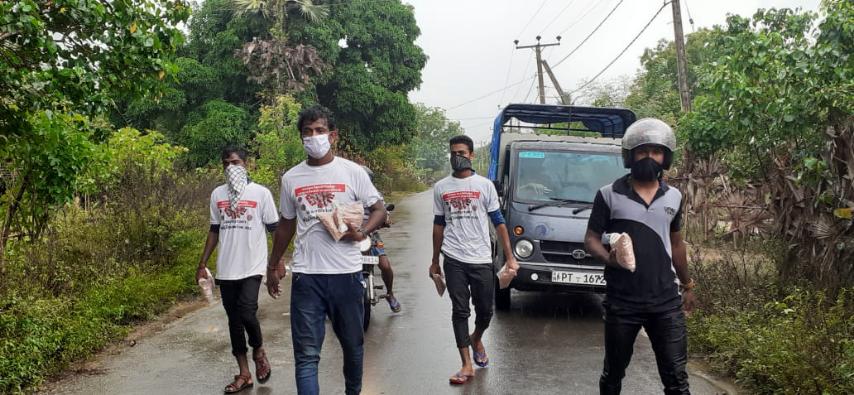
To commemorate both Mullivaikal and to help those in need during the COVID-19 pandemic, a youth organisation in the North-East distributed salt and rice in small packages that were yielded from the very soil and sea of Mullivaikal.
While they normally distribute freshly made 'kanji' during Mullivaikal remembrance month, due to the pandemic it was decided that it would be more appropriate and safer to provide the people with the ingredients needed to make it instead.
“We do not need to remind the people of what this month means, many families have lost their mother or their husband baring scars,” said Maarimuthu Samanthi of Jaffna School, who helped as one of the organisers.
“We have to show the coming generation what we suffered as a nation, that is why we have initiated this,” he added.
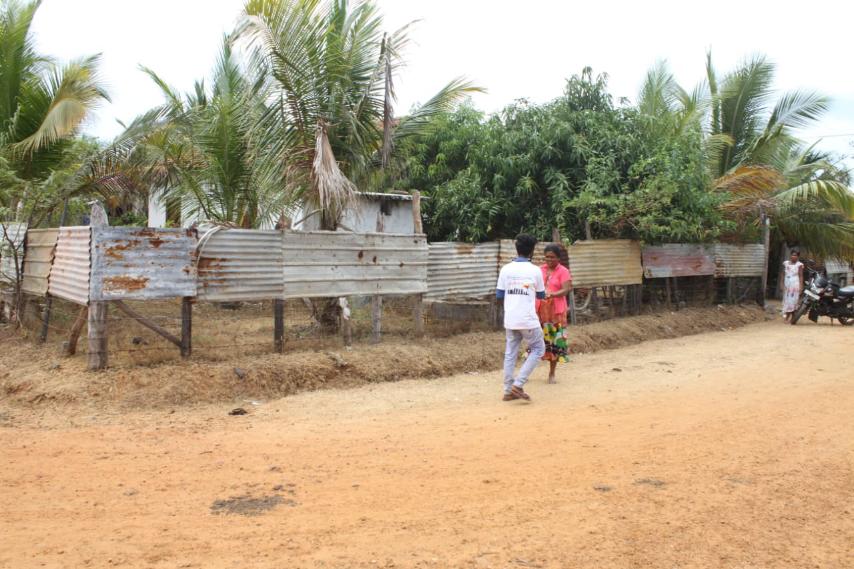
Rice and salt were distributed to a number of areas over the span of the recent days, including Mullivaikal East and West, Vavuniya and Kilinochchi. Other areas included Valaynar Madam, Ambalavan Pokanai and Puthukudiyirippu.
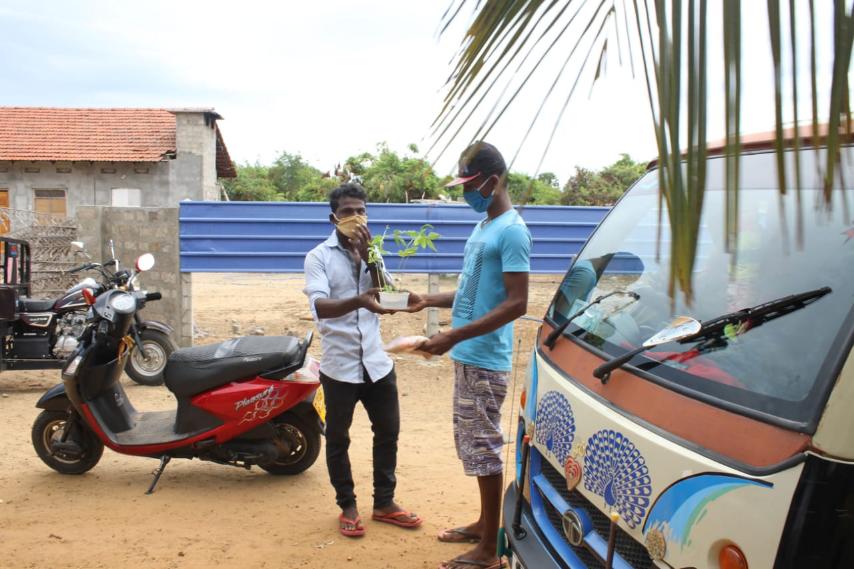
Vegetable seedlings were also distributed in addition.
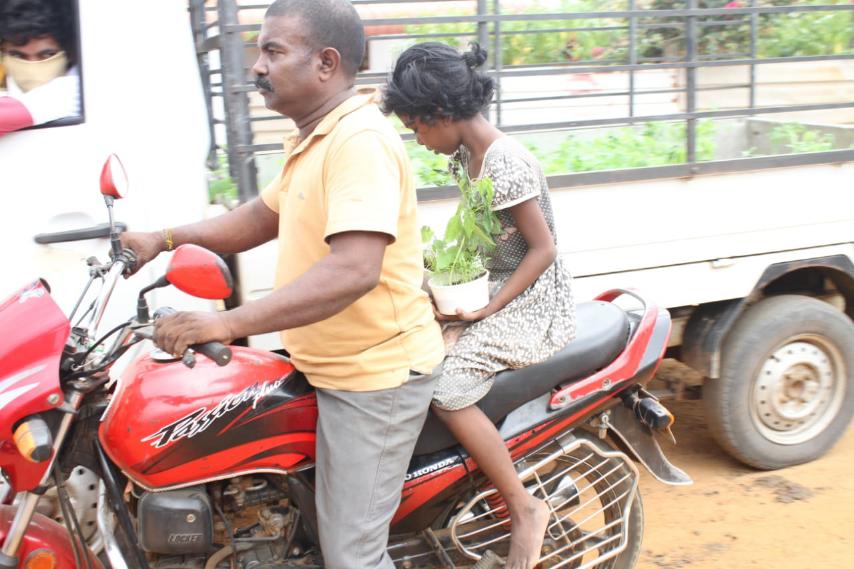
Many of the receivers will benefit from the yield of the seedlings and celebrate this for the years to come. Adults and children alike happily received these parcels from volunteers.
Another volunteer said, “the struggles we faced... the youth of the future must remember the pain that we experienced.”