.jpeg)
The Ilankai Tamil Arasu Katchi (ITAK) boycotted events attended by Sri Lankan President Anura Kumara Dissanayake during his visit to Jaffna, citing serious concerns over the establishment of political structures operating parallel to state institutions.
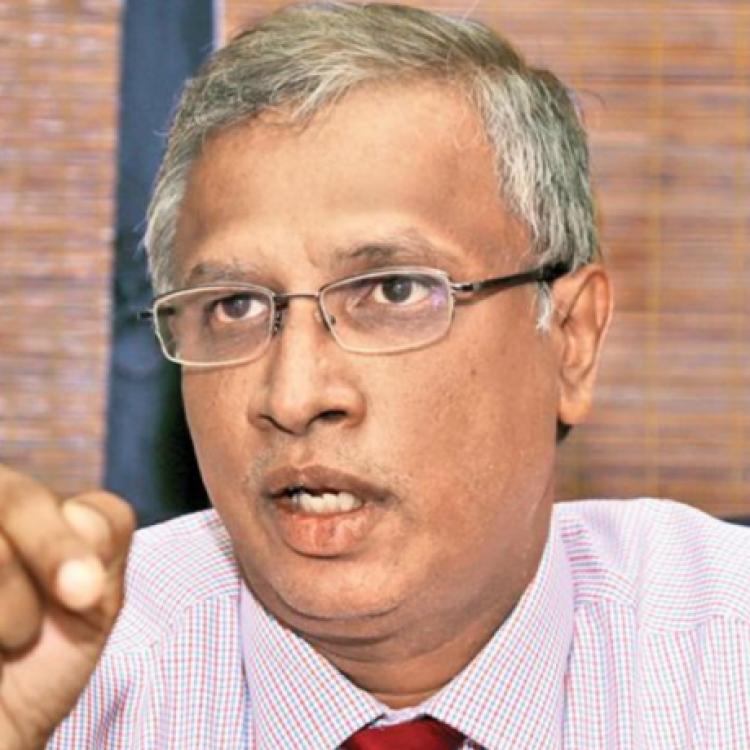
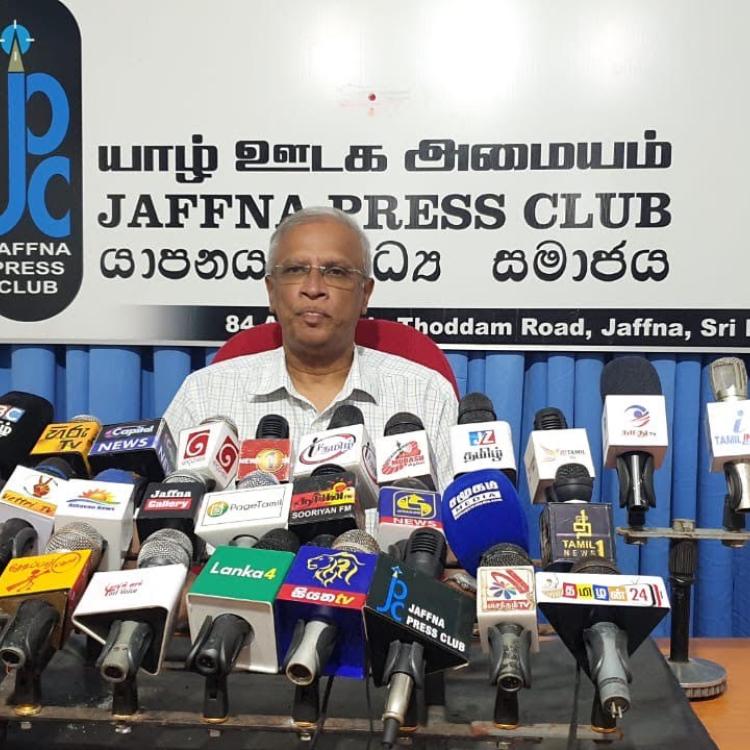
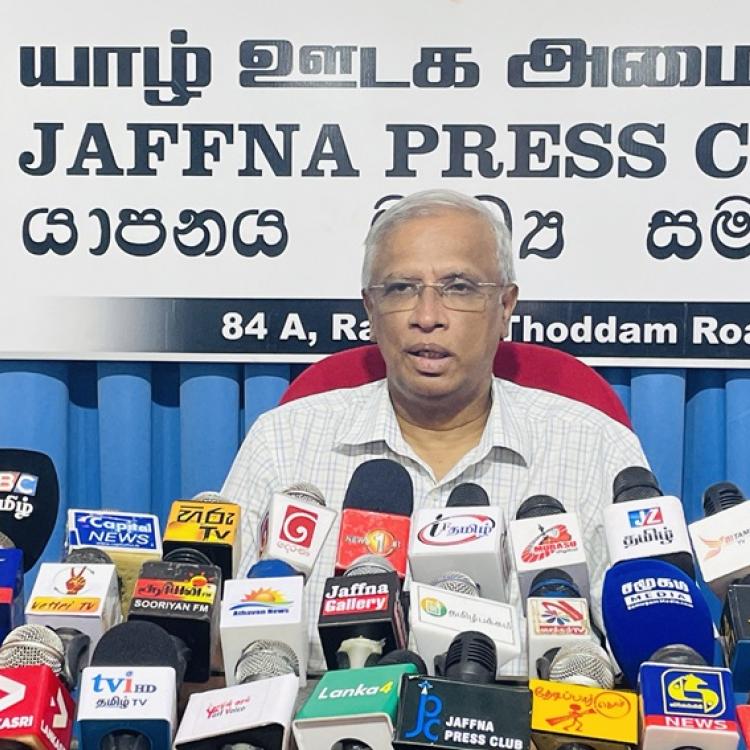
The decision was confirmed by ITAK spokesperson M. A. Sumanthiran during a media briefing held in Vadamarachchi, Jaffna.
Elaborating on the move, Sumanthiran stated that the Sri Lankan President is taking part in Thai Pongal celebrations and related events in Jaffna, to which ITAK representatives were also formally invited. However, he said the party had taken a collective decision not to attend.
He explained that the primary reason for the boycott was the creation of an organisation called “Prajashakthi,” which he described as a structure formed using members affiliated with the ruling party and functioning in parallel to established government mechanisms.
According to Sumanthiran, programmes that should properly be implemented through local government bodies are instead being carried out through this parallel system. He noted that this practice has been particularly evident in the Northern and Eastern Provinces, where the ruling party lacks control over local government authorities.
He warned that such actions directly undermine the authority of democratically elected institutions and distort the proper functioning of public administration.
Sumanthiran further revealed that legal action has already been initiated to challenge the central government’s direct involvement in activities that should legally be handled by local authorities, particularly under the pretext of poverty alleviation initiatives.
.jpeg)
Drawing a historical comparison, he recalled that during the aftermath of the 2004 tsunami, as reconstruction efforts in the North-East wwre being co-ordinated with the Liberation Tigers of Tamil Eelam (LTTE), Dissanayake’s Janatha Vimukthi Peramuna (JVP) approached the Supreme Court and obtained an injunction to prevent such cooperation.
The legal argument presented by the JVP on that occasion, he pointed out, was that no organisation operating parallel to state institutions should be permitted to undertake government functions.
Sumanthiran accused the same political forces that once opposed parallel mechanisms of now attempting to replicate them for their own benefit.
He alleged that the JVP, which is part of the current ruling alliance, had obstructed post-tsunami reconstruction efforts in the Tamil homeland and is now engaging in similar actions by bypassing local government structures.
Based on the very same legal principles they once invoked, the present Sri Lankan government is now attempting to carry out functions that should legally be undertaken through government institutions and local authorities, by creating parallel structures composed of party loyalists, Sumanthiran said.
He further charged that government assistance, relief measures, and public funds are being utilised to strengthen the political interests of the ruling party rather than to serve the needs of the people.
This, he stated, is strongly opposed by ITAK, which will seek to prevent such practices through legal and political means.
As a first step in registering our protest, we have decided not to participate in the events attended by the President of Sri Lanka in Jaffna, Sumanthiran announced.