.jpg)
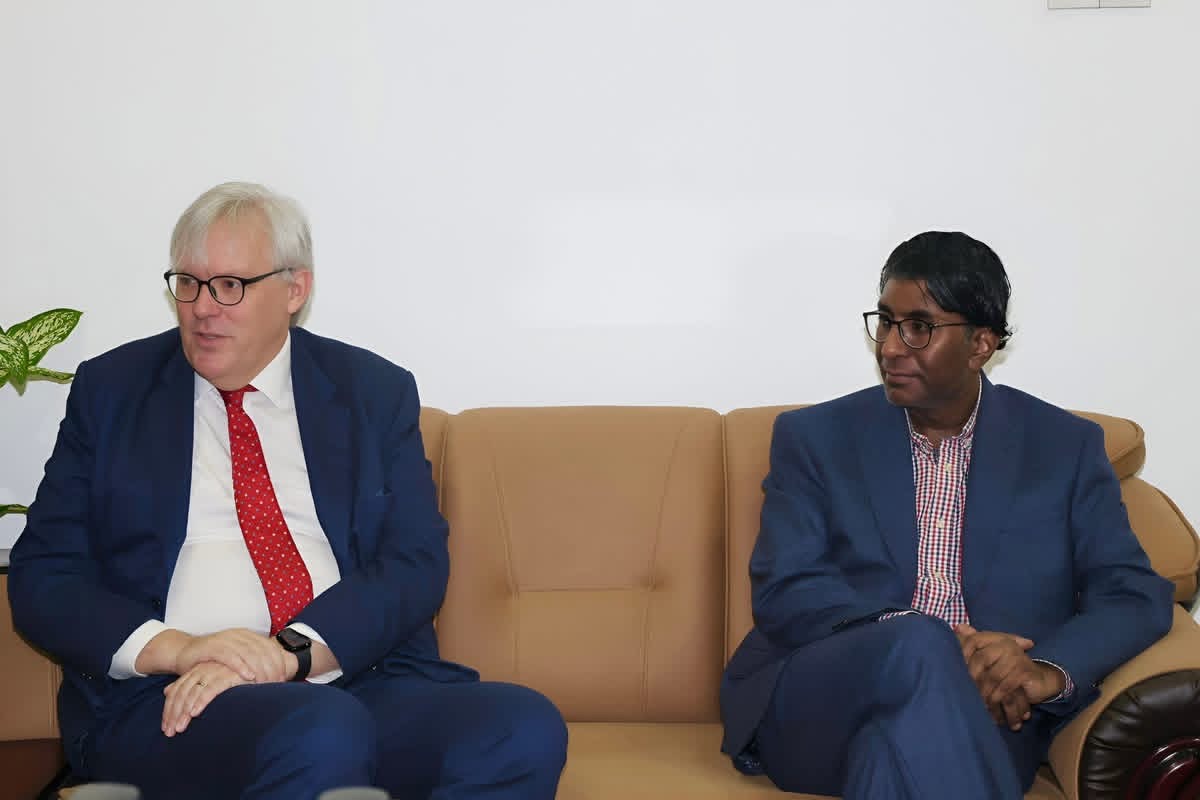
British High Commissioner to Sri Lanka Andrew Patrick visited Jaffna last week, meeting families of the disappeared, civil society organisations, and district officials, as longstanding demands for truth and accountability over enforced disappearances remain unresolved.
During his visit, Patrick met with families of those disappeared in Chemmani, a site synonymous with some of the most notorious allegations of mass killings and enforced disappearances carried out by Sri Lankan security forces in the late 1990s. Following the meeting, the High Commissioner wrote on social media,
“Grateful for the opportunity to meet with the families of those disappeared in Chemmani, today. Hearing their stories firsthand was a powerful reminder of their unwavering search for answers and their decades long pursuit of justice.”
Chemmani has long stood as a stark symbol of the Tamil nation’s demand for accountability, with families continuing to seek answers decades after their loved ones were abducted, amid persistent delays and obstruction in investigations. A mass grave uncovered in the area last year has unearthed 240 bodies so far.
.jpg)
Patrick also held discussions with grassroots organisations and civil society actors in Jaffna. Commenting on these engagements, he stated,
“I had interesting discussions with grassroots groups in Jaffna. Civil society organisations continue to tackle a wide range of critical issues on the ground, and their unwavering commitment to justice, equality, and reconciliation is vital for shaping Sri Lanka’s future.”
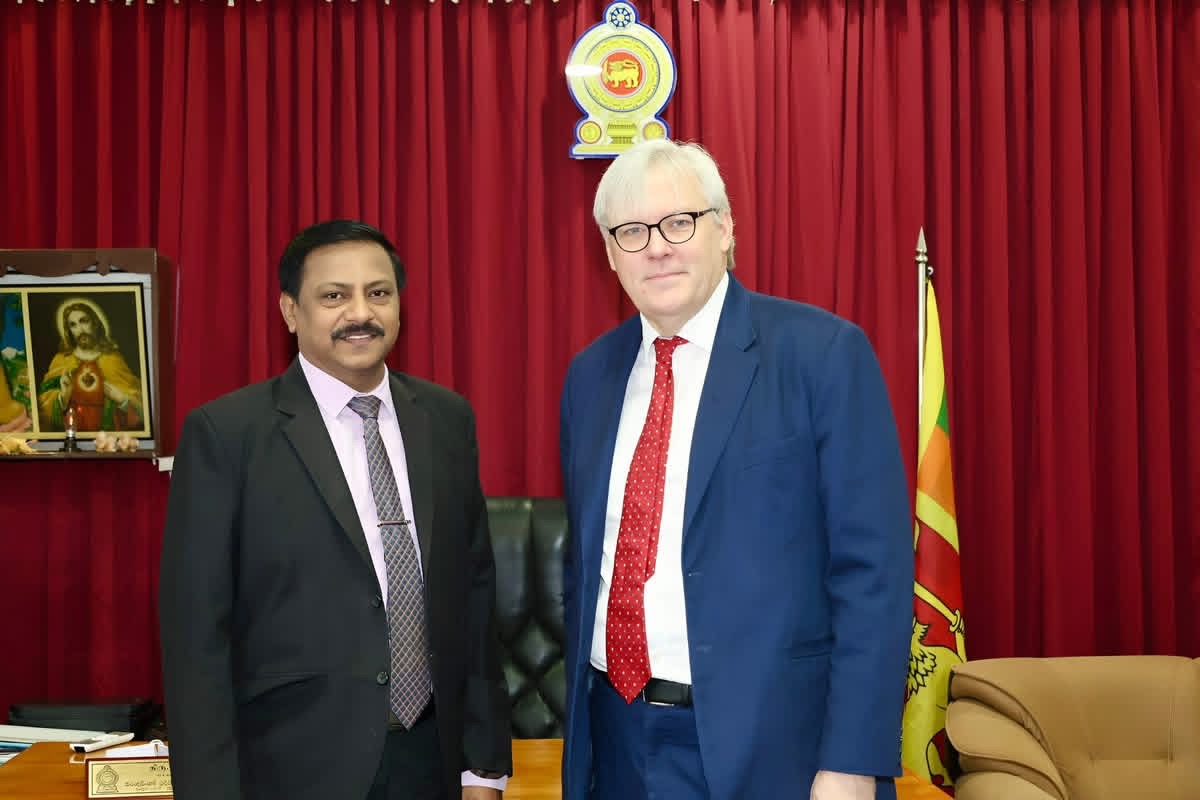
On Wednesday, the British High Commissioner also met with Jaffna District Secretary Maruthalingam Pradeepan at the District Secretariat, where a detailed discussion was held on post-cyclone recovery and development challenges in the district. During the meeting, Patrick inquired about the impact of Cyclone Ditwah on the Jaffna District.
In response, the District Secretary explained that 20,023 families had been affected by the cyclone. He stated that a payment of 25,000 rupees had been provided to 13,168 families to assist with cleaning their homes, while 15,000 rupees per student had been granted to 15,260 affected schoolchildren to support the purchase of educational materials.
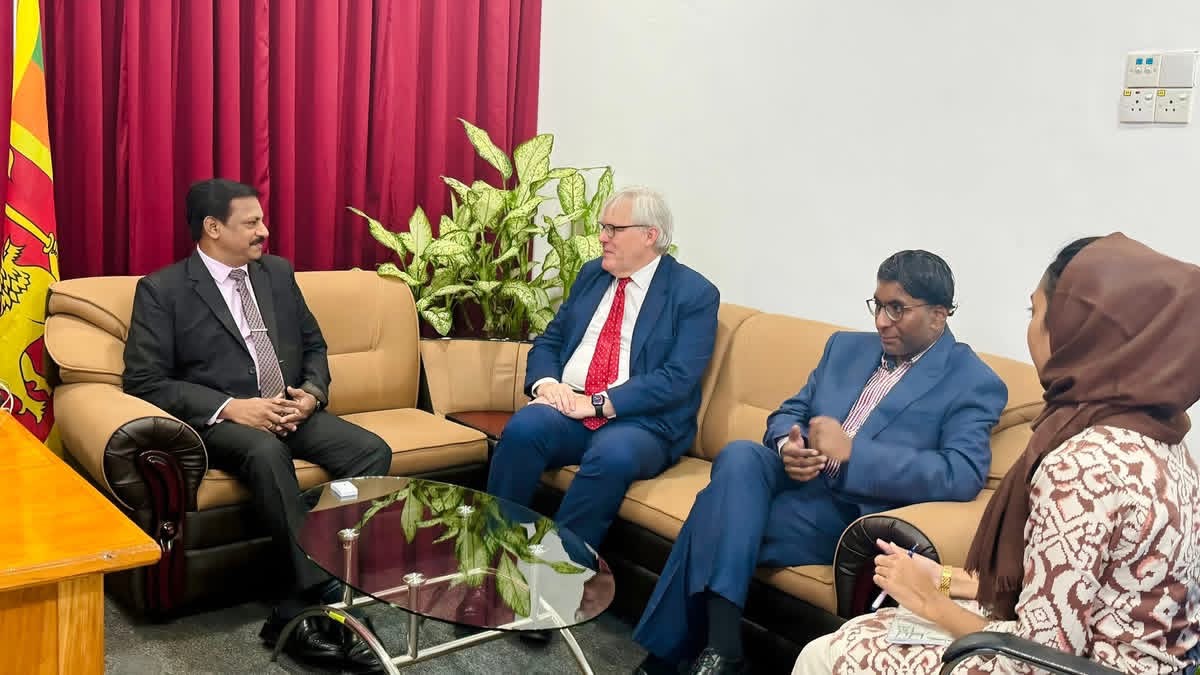
Commenting on the recovery efforts, Patrick said that funds for those affected by Cyclone Ditwah were being provided to the Sri Lankan government and implemented through the Red Cross.
The High Commissioner also highlighted the importance of employment opportunities for young people in the Jaffna District, noting that local youth possess strong skills in information technology and productivity-related sectors. He observed that the implementation of appropriate employment programmes would contribute significantly to the economic development of both the district and the country.
In addition, Patrick reiterated his belief that Tamil expatriates living in the United Kingdom would invest in Jaffna, and sought information from the District Secretary on the district’s current socio-economic development, the Kankesanthurai Investment Zone, and other available investment opportunities.
Also present at the meeting were Raman Chettiar, Second Secretary for Political Affairs at the British High Commission, and Farah Firdous, Political Officer.