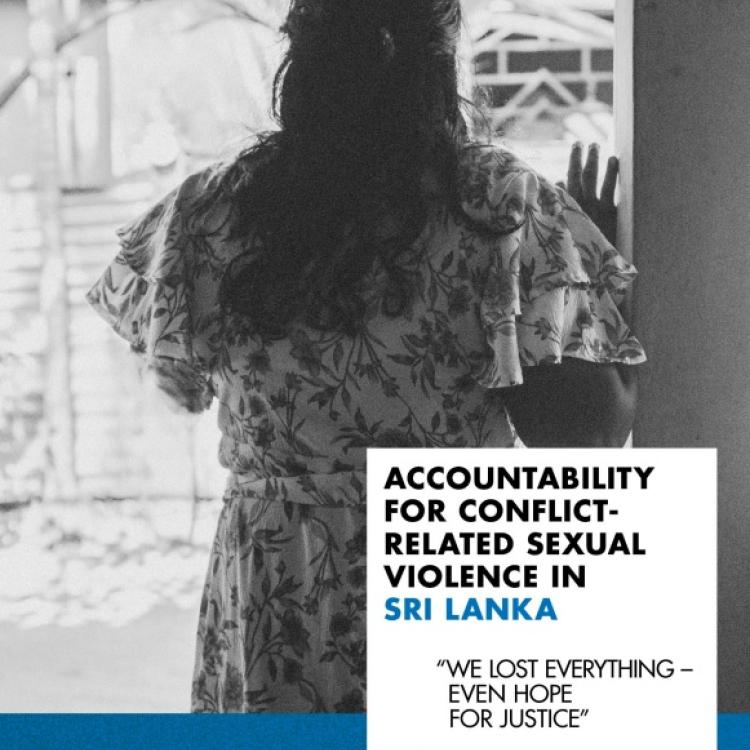
Last month, the United Nations released yet another devastating report on the crimes committed by the Sri Lankan state against the Tamil people. Its findings laid out, in harrowing detail, how sexual violence has been systematically deployed against Eelam Tamils not only during the years of armed conflict, but long after the guns fell silent. The report, however, did not reveal anything that was previously unknown. Instead, it adds yet more weight to a body of evidence that is now overwhelming. The time has come for the international community to call these crimes by their proper name: genocide.
The report’s title, ‘We Lost Everything – Even Hope for Justice’, captures the depth of devastation experienced by survivors. Inside, it documents the extremity of violence Tamils were subjected to, including how even the dead bodies of men and women were graphically mutilated. This is a pattern of violence so cruel and so heinous, that it should have been halted and punished decades ago.
But sexual violence has long been a deliberate tactic of the Sri Lankan state. And this is not the first report to document it. In February 2013, Human Rights Watch published ‘We Will Teach You a Lesson’, detailing the systematic rape and torture of Tamils by state forces. In 2009, then United States Secretary of State Hillary Clinton informed the UN Security Council that rape had been “used as a tactic of war” in places such as Sri Lanka. From the rape and murder of Ilayathamby Tharsini, Krishanti Kumaraswamy and Arumathurai Thanaluxmi, to the widespread sexual violence during the pogroms of 1958, 1977, 1981 and 1983, Tamils have been subjected to state terror for decades.
The fact that this violence predates the emergence of the LTTE, and has continued well after its military defeat, should alone demolish the Sri Lankan state’s long-standing claim that such crimes were merely excesses of war. Instead, it exposes a calculated and enduring strategy. The UN report repeatedly highlights how sexual violence was weaponised not only against individuals, but against the Tamil nation as a whole. Survivors describe abuse intended to humiliate publicly, to mutilate permanently, and to inflict trauma that would reverberate across families, towns and generations. “The cruelty of the abuses inflicted… was often described by the survivors as being intended to cause lasting trauma and dismantle entire communities,” the report said. This is violence designed to instil fear, sever communal bonds, and destroy the social fabric that ties the Eelam Tamil nation together.
The continuation of these crimes after 2009, alongside the impunity that still endures, further illustrates intent. Sexual violence persists under intense militarisation and surveillance. Alleged war criminals have been promoted, survivors intimidated, and investigations obstructed at every turn. This is not simply a failure of justice, but a key feature of how genocide is sustained.
Raphael Lemkin, who coined the term genocide, defined it as a coordinated plan of actions aimed at the “destruction of essential foundations of the life of national groups”. Alongside the abject lack of accountability, the mass killings, the continued Sinhala-Buddhist colonisation of the Tamil homeland, and the overwhelming military occupation of the North-East, the crimes documented in the UN report fit squarely within that definition.
That the Tamil nation continues to resist this genocide and agitate against it is a testament to its remarkable resilience. From survivors who continue to speak despite stigma and intimidation, to the families of the disappeared who protest day after day, the struggle has not been extinguished. Their continued refusal to cow down to repression, does not negate the gravity of the atrocities.
The question now is not whether these crimes occurred, but whether the world is prepared to act on what it knows. Genocide demands accountability. History will not only remember those who committed these crimes, but those who watched, knew, and chose inaction.
______
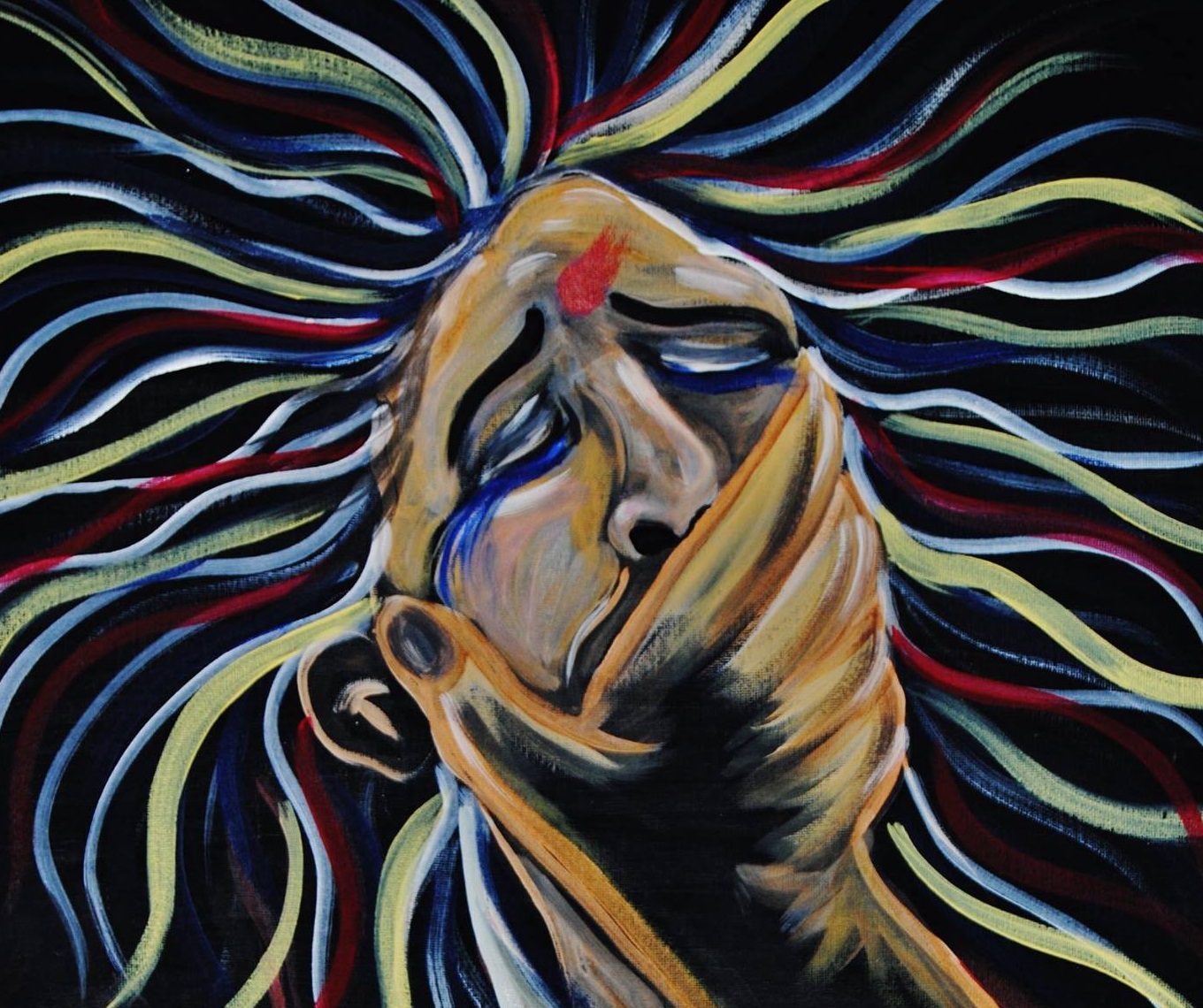
Illustration by Keera Ratnam.